From a single sales hire to findIQ USA, Inc., our first year in America focused on helping manufacturers address workforce shortages and protect critical machine expertise—region by region.
Since January 2025, findIQ has been active in the United States with a dedicated local team. What began with one U.S. sales leader has grown into a fully established subsidiary: findIQ USA, Inc.
The mission is clear: help American industrial companies preserve critical machine knowledge in a market facing accelerating workforce change.
Why the U.S.—and Why Now
The workforce pressures facing American manufacturers closely mirror those seen in Europe: skilled technicians are retiring, operational complexity is increasing, and production environments cannot afford prolonged downtime.
For findIQ, the U.S. was a natural next step. Industrial clusters across the Midwest and Southeast—from legacy manufacturing corridors to rapidly expanding production hubs—face a shared challenge: how to retain and operationalize decades of service and troubleshooting expertise.
We’ve discussed the U.S. market with our investors for some time. The need for structured, AI-based knowledge transfer is clear—especially in environments where experienced technicians are becoming harder to replace.
— Sina Volkmann, CEO and co-founder
While digital transformation initiatives are widespread, purpose-built AI systems designed specifically to capture and operationalize experiential knowledge remain rare. That gap represents a significant opportunity.
German Engineering, Applied to American Operations
American manufacturers are well acquainted with the rigor of German industrial engineering. findIQ’s approach to AI reflects that same discipline: structured, model-based, and built for reliability in complex environments.
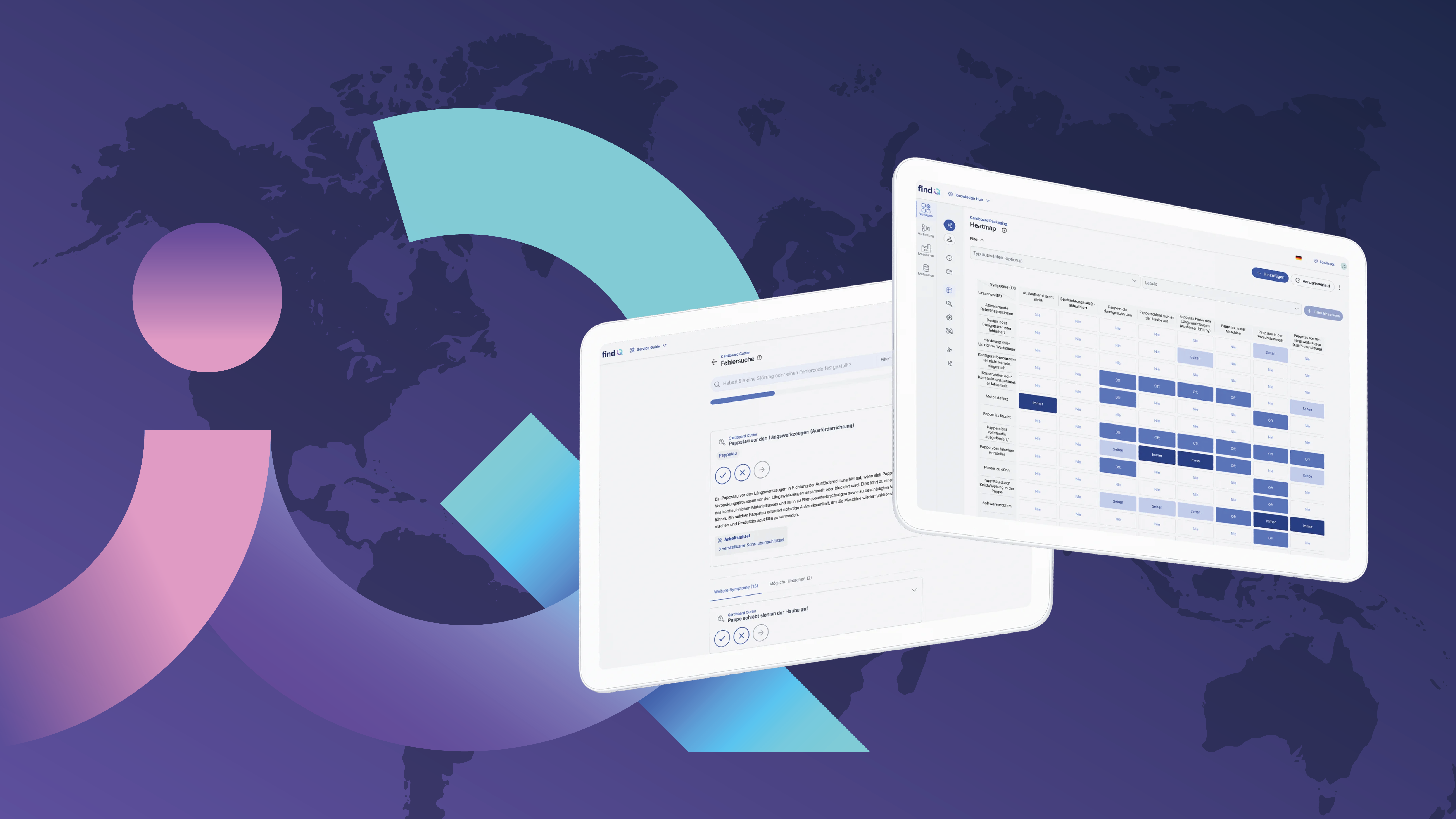
Unlike generic AI tools, findIQ’s software captures machine-specific troubleshooting logic and makes it accessible through a scalable knowledge platform. The goal is not simply digitization, but operational resilience—ensuring that expertise remains available across shifts, sites, and regions.
Targeted Entry Into Key Industrial Regions
Entering the U.S. market required focus. Rather than broad national outreach, findIQ concentrated on industries and regions most affected by knowledge loss—including parts of the Midwest with aging technical workforces and Southeast growth states experiencing rapid industrial expansion.
In some areas, public incentives for Smart Manufacturing further support digital modernization efforts, creating additional momentum for adoption.
Over the past year, the U.S. team has expanded, with continued investment in sales, partnerships, and regional presence. On-the-ground engagement has proven critical: local relationships and cultural understanding matter in industrial markets.
From Market Entry to Momentum
Looking ahead to 2026, the focus shifts from presence to repeatability.
“Our priority now is disciplined execution,” says Volkmann. “We want to convert early traction into repeatable success stories and establish findIQ as a long-term partner for operational resilience in North America.”
The establishment of findIQ USA, Inc. marks an important milestone—signaling long-term commitment to the American market.
On the Ground in 2026
Sina Volkmann will be in the United States throughout the first half of the year, visiting key industrial regions and meeting with manufacturers, partners, and associations.
For companies expanding production, reshoring operations, or seeking to strengthen service capabilities alongside machinery investments, findIQ aims to be a strategic partner—bridging German engineering discipline with American operational demand.
Frequently asked questions about findIQ in the United States
Why did findIQ establish a dedicated subsidiary in the United States?
findIQ created findIQ USA, Inc. to support American industrial companies locally as they face accelerating workforce change and knowledge loss. Having a dedicated U.S. team allows findIQ to work directly with manufacturers, partners, and associations on the ground, tailoring Industrial Knowledge Intelligence projects to local plants, people, and priorities rather than serving the market remotely from Europe.
Why is the U.S. market a natural next step for findIQ’s Industrial AI and Industrial Knowledge Intelligence platform?
The U.S. manufacturing landscape faces many of the same pressures as Europe: experienced technicians are retiring, production systems are becoming more complex, and plants cannot afford extended downtime. Industrial clusters in the Midwest and Southeast, in particular, are looking for ways to retain and operationalize decades of service and troubleshooting expertise. That makes the U.S. a strong fit for findIQ’s Industrial AI and Industrial Knowledge Intelligence approach, which is built to capture, structure, and apply machine‑level knowledge at scale.
How is findIQ’s approach different from generic AI in the context of U.S. manufacturing?
Generic AI tools may support broad digital transformation, but they are not designed specifically to capture and operationalize experiential knowledge. findIQ’s platform focuses on Industrial Knowledge Intelligence: it encodes machine‑specific troubleshooting logic from experts and makes it accessible through a scalable knowledge platform. The goal in the U.S. is not just “more AI,” but more operational resilience—ensuring that critical expertise is always available across shifts, sites, and regions.
Which regions and industries in the U.S. is findIQ focusing on first?
findIQ’s U.S. go‑to‑market focuses on industrial regions where knowledge loss is most acute and demand for Industrial AI is highest. This includes parts of the Midwest with aging technical workforces, as well as fast‑growing manufacturing corridors in the Southeast. In several of these areas, public incentives and modernization programs create additional momentum for adopting structured, model‑based knowledge transfer solutions.
What is findIQ’s strategic goal in North America over the next few years?
In North America, findIQ’s strategic goal is to move from initial market entry to repeatable, scalable success with Industrial Knowledge Intelligence. That means turning early projects into a portfolio of referenceable success stories and establishing findIQ as a long‑term partner for operational resilience—helping manufacturers reduce downtime, preserve critical know‑how, and support production expansion or reshoring with confident, knowledge‑backed service capabilities.
How can U.S. manufacturers engage with findIQ USA, Inc. in 2026?
U.S. manufacturers can engage with findIQ USA, Inc. through regional meetings, pilot projects, and strategic discussions around workforce, service, and production challenges. To book a meeting directly, please reach out to: marketing@findiq.com.